








In recent years, human composting has emerged as one of the most innovative and environmentally conscious alternatives to traditional burial practices. Growing environmental awareness, rising funeral costs, and a desire for meaningful memorial options have encouraged families across the United States to explore sustainable end-of-life choices. Also known as natural organic reduction, this method transforms human remains into nutrient-rich soil, offering a powerful return-to-nature approach.
This revolutionary practice reflects a broader cultural shift toward sustainability and eco-friendly funeral planning.
What Is Human Composting?
Human composting, also called natural organic reduction is a process that transforms human remains into nutrient-rich soil through controlled decomposition.
The process typically involves:
-
Placing the body in a vessel
-
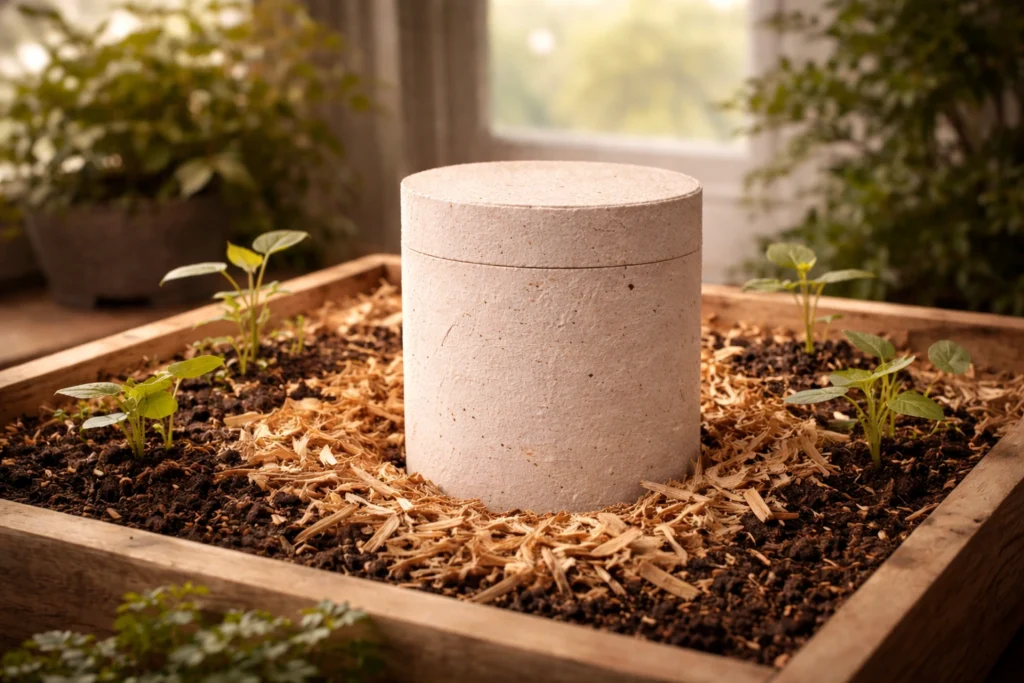
Surrounding it with organic materials such as wood chips, straw, and sawdust
-
Allowing microorganisms and heat to accelerate natural decomposition
-
Producing soil over approximately 30 days
The carbon-rich organic materials help regulate temperature, minimize odor, and create optimal conditions for safe decomposition. The result is nutrient-dense soil that can be used for conservation, reforestation, or memorial gardens.
This process mirrors natural decomposition but occurs in a carefully monitored environment to ensure safety and environmental compliance.
Benefits of Human Composting
Environmental Sustainability
Traditional burial practices often include embalming chemicals, metal caskets, and concrete vaults that contribute to soil and groundwater pollution. In contrast, human composting:
-
Eliminates toxic embalming
-
Avoids non-biodegradable materials
-
Reduces carbon footprint
-
Minimizes land use
Instead of occupying permanent cemetery space, the remains are transformed into usable soil that supports new life.
Nutrient-Rich Soil Creation
The soil created through the process contains essential nutrients such as nitrogen, phosphorus, and potassium—vital elements for plant growth.
Families may choose to:
-
Plant memorial trees
-
Support conservation projects
-
Donate soil to community gardens
-
Use it in private memorial landscapes
Midway through considering eco-conscious funeral options, many families discover that human composting provides both environmental responsibility and a tangible living tribute.
Cost-Effectiveness
Traditional burials often cost between $7,000–$12,000 due to embalming, caskets, plots, and service fees.
Natural organic reduction generally:
-
Eliminates vault and casket costs
-
Requires fewer material resources
-
Offers simplified service options
This makes it a financially accessible alternative for many families seeking sustainable choices.
Legal Status in the United States
Human composting is currently legal in several U.S. states, with legislation expanding gradually.
Vermont
Vermont became one of the early adopters of legal human composting. The state passed legislation allowing natural organic reduction as a lawful method of disposition. This created a structured regulatory framework to ensure safe and respectful practices.
Organizations within Vermont provide education and oversight to maintain compliance and public awareness.
San Diego & Recompose
While Recompose was originally established in Washington State, San Diego has been part of broader conversations and implementation discussions as California moves forward with legalization.
Recompose, founded by Katrina Spade, pioneered large-scale human composting facilities in the United States. At such facilities:
-
Bodies are placed in individual vessels
-
Decomposition occurs over about 30 days
-
Soil is screened and returned to families
This model represents a modern and sustainable approach to death care.
Environmental Impact Compared to Burial & Cremation
Traditional burial:
-
Uses hardwood, steel, and concrete
-
Occupies long-term cemetery space
-
Introduces embalming chemicals into soil
Cremation:
-
Requires high heat (1,400–1,800°F)
-
Produces carbon emissions
-
Consumes fossil fuels
Human composting:
-
Uses natural biological processes
-
Produces usable soil
-
Reduces overall carbon footprint
For environmentally conscious families, this option aligns closely with green burial values.
Emotional and Symbolic Meaning
Beyond environmental benefits, this method offers symbolic power.
It represents:
-
Returning to the earth
-
Completing the natural life cycle
-
Supporting new growth
-
Creating living memorials
Families often find comfort in knowing their loved one contributes to new plant life, forest restoration, or community gardens.
Is Human Composting Right for You?
This option may be ideal if:
-
Environmental sustainability is a priority
-
You prefer alternatives to embalming and vault burial
-
You want a living memorial
-
Legal availability exists in your state
As legislation expands, more Americans are gaining access to this innovative burial method.
Final Thoughts on Human Composting
As environmental concerns continue to shape end-of-life planning, human composting represents a meaningful and sustainable alternative to traditional burial and cremation. By transforming remains into nutrient-rich soil, this method honors the natural cycle of life while minimizing environmental impact. As more states adopt legislation supporting natural organic reduction, families will have increasing access to eco-conscious options. For those exploring green burial products, biodegradable urns, and sustainable memorial solutions across the United States, GreenBurials.com offers environmentally responsible options designed with care and respect. At Green Burials, we are committed to supporting families who seek meaningful, sustainable farewells aligned with nature.