






Understanding the cremation process helps families make informed and confident decisions during a difficult time. Cremation is the incineration of a deceased human body into cremains (processed bone fragments). It has become an increasingly popular option across the United States due to affordability, flexibility, and environmental considerations.
Below is a clear explanation of how cremation works, what cremains are, environmental impact, planning considerations, and even pet cremation options.
What is Cremation?
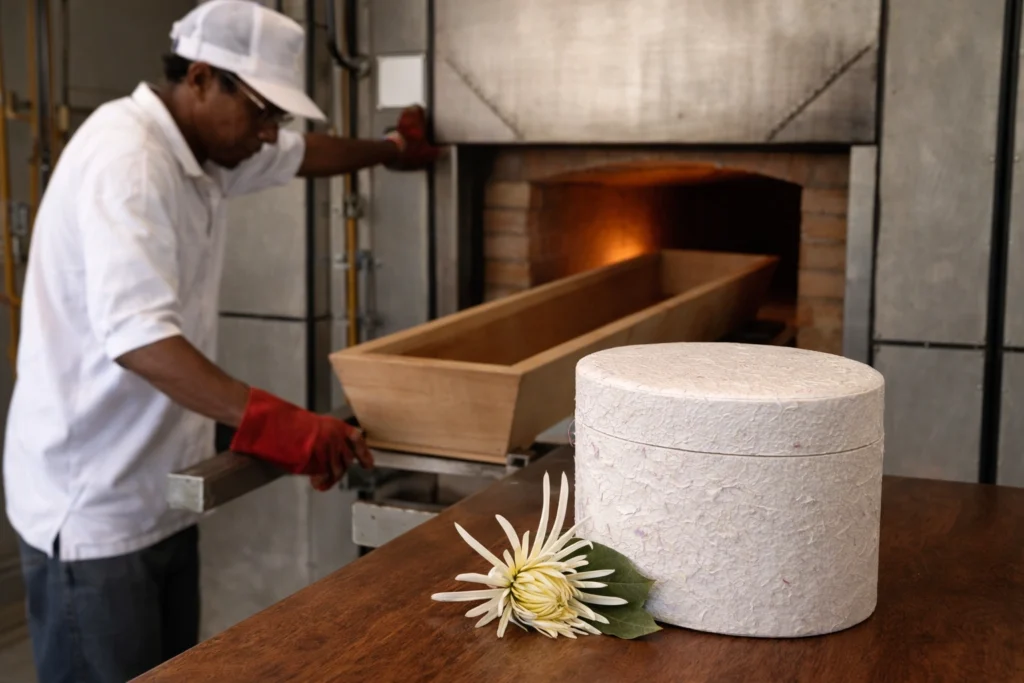
Cremation is the reduction of a body to its basic elements through high heat, oxidation, and vaporization. The deceased is typically placed in a sealed pouch and then into a combustible container (often cardboard). Embalming is not required unless a public viewing is planned or legally necessary.
After the procedure, the ashes are returned to the family in either:
-
A temporary container provided by the crematorium
-
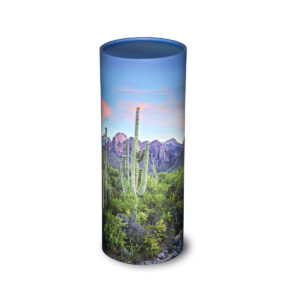
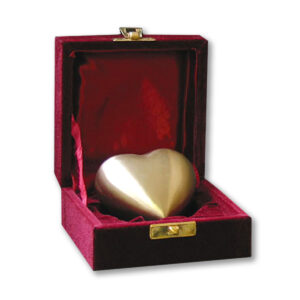
A permanent urn purchased by the family
Families may choose to:
-
Store the urn at home
-
Scatter ashes
-
Bury cremains
-
Place them in a memorial vault
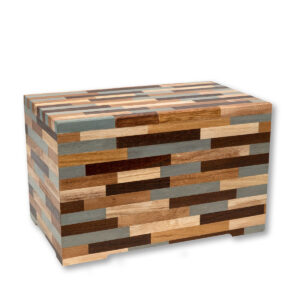
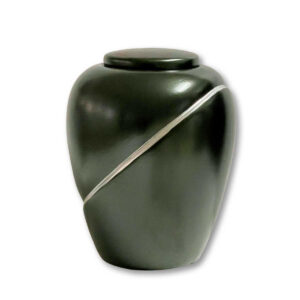
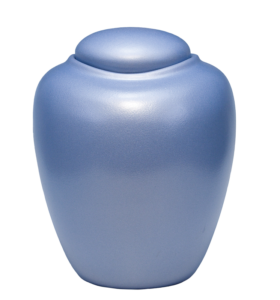
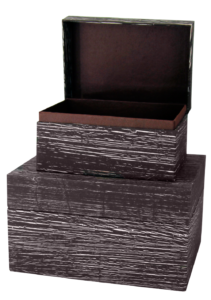
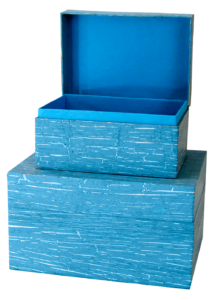
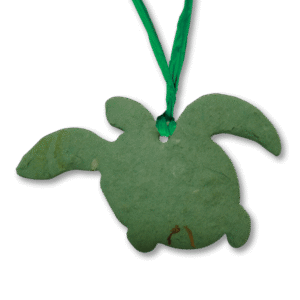
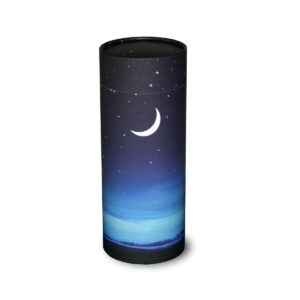
Urns are available in wood, ceramic, bronze, stone, biodegradable materials, and more.
What Are Cremains?
Cremains consist of the remaining bone fragments after cremation.
During the cremation process:
-
Temperatures reach up to 2000°F
-
Soft tissue is reduced
-
Bone fragments remain
After cooling, larger fragments are processed through a machine called a cremulator. This pulverizes the fragments into a fine consistency similar to coarse sand or fine gravel—not the powdery ash often imagined.
Metal fragments from surgical implants or jewelry are removed using magnets before final processing.
Inside the Cremation Chamber
The cremation chamber (also called a retort) is built from fire-resistant masonry brick designed to withstand extremely high temperatures. The chamber door is typically about six inches thick.
Fuel sources may include:
-
Natural gas
-
Propane
The active cremation typically lasts between one and two hours, followed by approximately one hour of cooling time.
Modern technology has made the cremation process efficient and highly regulated.
Environmental Impact of Cremation
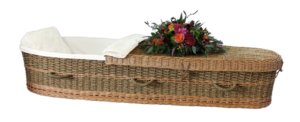
The cremation process reduces a body to dry bone fragments and gases through high heat. Compared to traditional burial, cremation may offer certain environmental advantages.
Traditional burial often includes:
-
Non-biodegradable caskets
-
Concrete vaults
-
Embalming chemicals
-
Permanent land use
Cremation avoids vaults and embalming (in most cases), reducing material waste.
Midway through comparing options, many families evaluating the cremation process recognize that while cremation does have a small environmental footprint due to fuel consumption, it is often considered more eco-friendly than conventional burial. However, green burial remains an even more environmentally sustainable alternative.
Planning Ahead
Although death is sometimes unexpected, in many cases families can plan in advance.
Advance planning may include:
-
Choosing cremation or burial
-
Selecting an urn
-
Deciding on ash scattering locations
-
Pre-paying for services
-
Setting aside funeral funds or insurance
Pre-planning can ease both emotional and financial burdens for surviving family members. 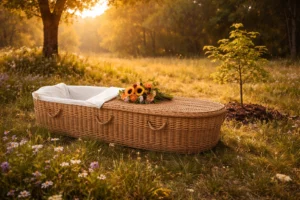
Cremation vs Traditional Burial
Cremation can reduce expenses by eliminating:
-
Casket costs
-
Burial plot fees
-
Vault installation
-
Embalming (if no viewing)
Families only need to cover:
-
Cremation fee
-
Transportation
-
Urn (if desired)
If ashes are to be scattered, a permanent urn may not be necessary.
For families seeking environmentally responsible options, biodegradable urns are recommended for burial or water scattering.
Traditional burial, while meaningful for many, often involves significantly higher costs due to embalming, vaults, and cemetery plots.
Pet Cremation
The loss of a pet can be just as emotional as losing a family member. Pet cremation has been practiced for centuries and remains common today.
In the United States:
-
Hundreds of pet crematoriums operate nationwide
-
Temporary containers are provided
-
Decorative pet urns are widely available
Families may:
-
Display the urn at home
-
Place it under a favorite tree
-
Choose a pet-themed urn design
Pet urns are available in many shapes, sizes, and materials to reflect the type of animal and personal preferences.
Making the Right Decision
Choosing between cremation, green burial, or traditional burial depends on:
-
Personal beliefs
-
Religious considerations
-
Environmental values
-
Budget
-
Family traditions
Educating yourself about available options will make the decision clearer during an emotionally challenging time.
Final Thoughts on the Cremation Process
Understanding the cremation process provides clarity and peace of mind when making end-of-life decisions. While cremation is often more affordable and flexible than traditional burial, families should carefully consider environmental impact, religious beliefs, and personal wishes. Whether selecting a biodegradable urn, planning ash scattering, or exploring green funeral alternatives, informed planning ensures a meaningful tribute. For families across the United States seeking eco-friendly urns and sustainable memorial products, GreenBurials.com offers environmentally responsible solutions designed with care and integrity. At Green Burials, we are committed to helping families make thoughtful, sustainable choices during life’s most difficult moments.